
- No products in the cart.
Uganda’s Health Ministry Tackles Alcohol Use Disorders
By Zreash
August 14, 2023

Uganda, like many other countries, faces significant challenges related to alcohol use disorders (AUDs) resulting from hazardous alcohol consumption. This situation has a considerable impact on public health and the social well-being of consumers. Bearing these factors in mind, let’s take a look at 8 critical developments in Uganda’s efforts to address alcohol use disorders (AUDs) stemming from hazardous alcohol consumption.
Collaboration with WHO on Addressing Alcohol-Related Issues
As part of an ambitious initiative to tackle alcohol-related problems, in collaboration with WHO, 17 addiction treatment specialists held a five-day workshop to draft a manual to guide the screening and management of people affected by hazardous drinking and alcohol use disorders.
MoH’s Perspective and a Comprehensive Approach
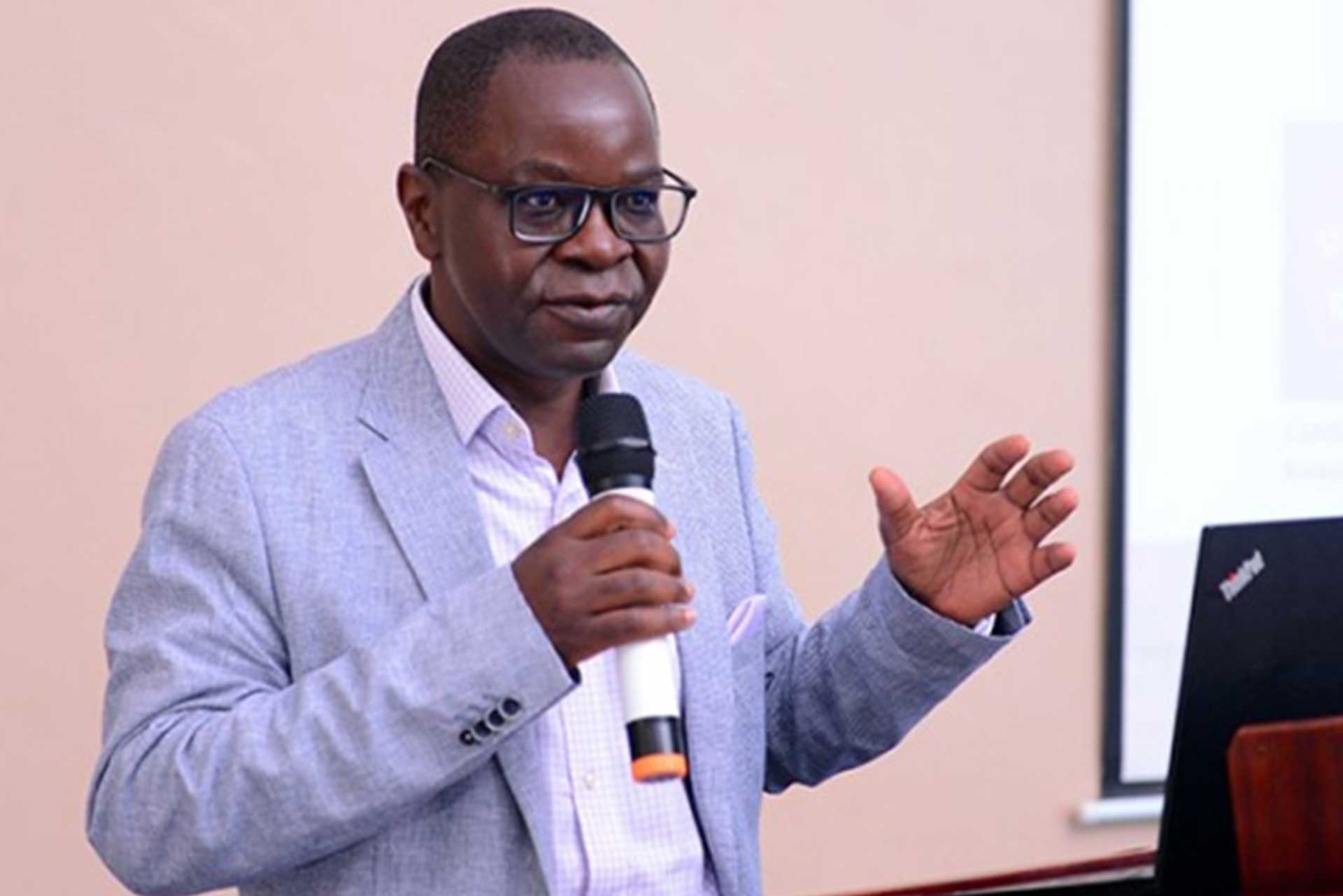
Present at the workshop, the Ministry of Health psychiatrist Dr. Kenneth Kalani Okware explained that to combat and reduce the impact of excessive alcohol consumption, it is essential to develop a comprehensive tool that will help primary health care workers deliver effective care. “As mental health specialists, we should focus on designing a comprehensive Screening, Brief Intervention, and Referral to Treatment (SBIRT) protocol that matches the needs of primary care workers.
Aligned with WHO SAFER Initiative
The manual was developed in line with the WHO SAFER initiative launched in 2018 at the Third UN High-Level Meeting on the Prevention and Control of Non-Communicable Diseases (NCDs). SAFER is a technical package of cost-effective interventions for the prevention of harmful alcohol use. It has been developed to deliver health and development gains to meet global, regional, and national health needs, and to reduce the human suffering and pain caused by harmful alcohol use.
Ugandans currently consume over 12 liters of pure alcohol per year per capita. Surprisingly, less than 50% of the population consumes alcohol, which means that the few who do drink are drinking too much, a challenge that demands immediate action.
WHO Representative’s Call to Action
The Ministry, in partnership with PATH Uganda, has already rolled out this technology in ten hospitals. Preliminary reports from these facilities are promising, with the elimination of disinfectant stock-outs being a notable achievement.
Apart from salt, water, and the device, a power source is the only requirement for generating disinfectant. Sodium hypochlorite, the active ingredient, is renowned for its germ-killing properties even at low concentrations, making it an excellent choice for disinfection.
WHO Representative’s Call to Action
“The harmful use of alcohol has a devastating impact on Consumers’ health including injuries, mental health problems, and diseases like cancer and stroke. I call on the government of Uganda to Strengthen restrictions on alcohol availability and Facilitate access to screening, brief interventions, and treatment at all levels,” Dr. Yonas Tegegn, Woldemariam, WHO Representative to Uganda.
Uganda’s Alcohol Consumption Challenge
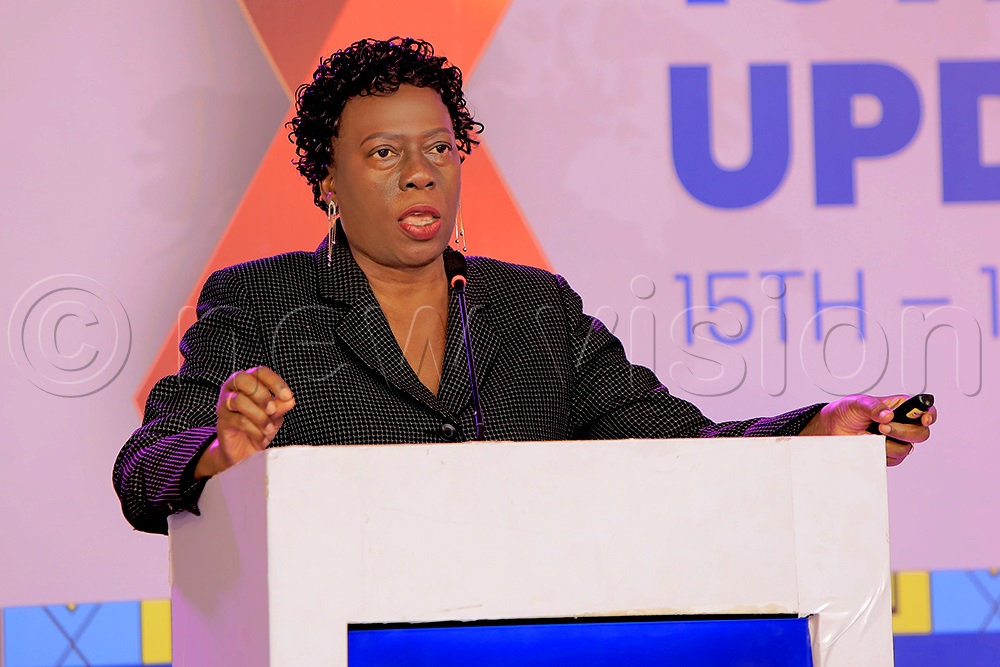
Taking part in the workshop, Dr. Hafisa Kasule, WHO Technical Officer for Non-Communicable Diseases, revealed that “Ugandans currently consume over 12 liters of pure alcohol per year per capita. Surprisingly, less than 50% of the population consumes alcohol, which means that the few who do drink are drinking too much, a challenge that demands immediate action,” she said.
She also stressed that tackling the pervasive problem of harmful alcohol use is essential to achieve Sustainable Development Goal 3.5 on alcohol and substance abuse.
WHO’s Ongoing Support
WHO’s efforts to support Uganda in the prevention and control of alcohol consumption are long-standing. Actions to date include, among others, the development of a risk factor survey in 2013 and 2023 to determine the burden of alcohol consumption in the country; the adaptation and piloting of the Mental Health Gap Action Program (MHGAP) intervention guide to facilitate access to alcohol use disorder services in primary health care centers.
Moving forward, WHO is in discussions with members of the Ugandan parliament to lobby for the adoption of the Alcohol Control Bill. This law will provide a legal basis for controlling the production, marketing, and consumption of alcohol in the country.
Related Posts
Clear Filters