
Exploring Cell Culture’s Role in Laboratory Research
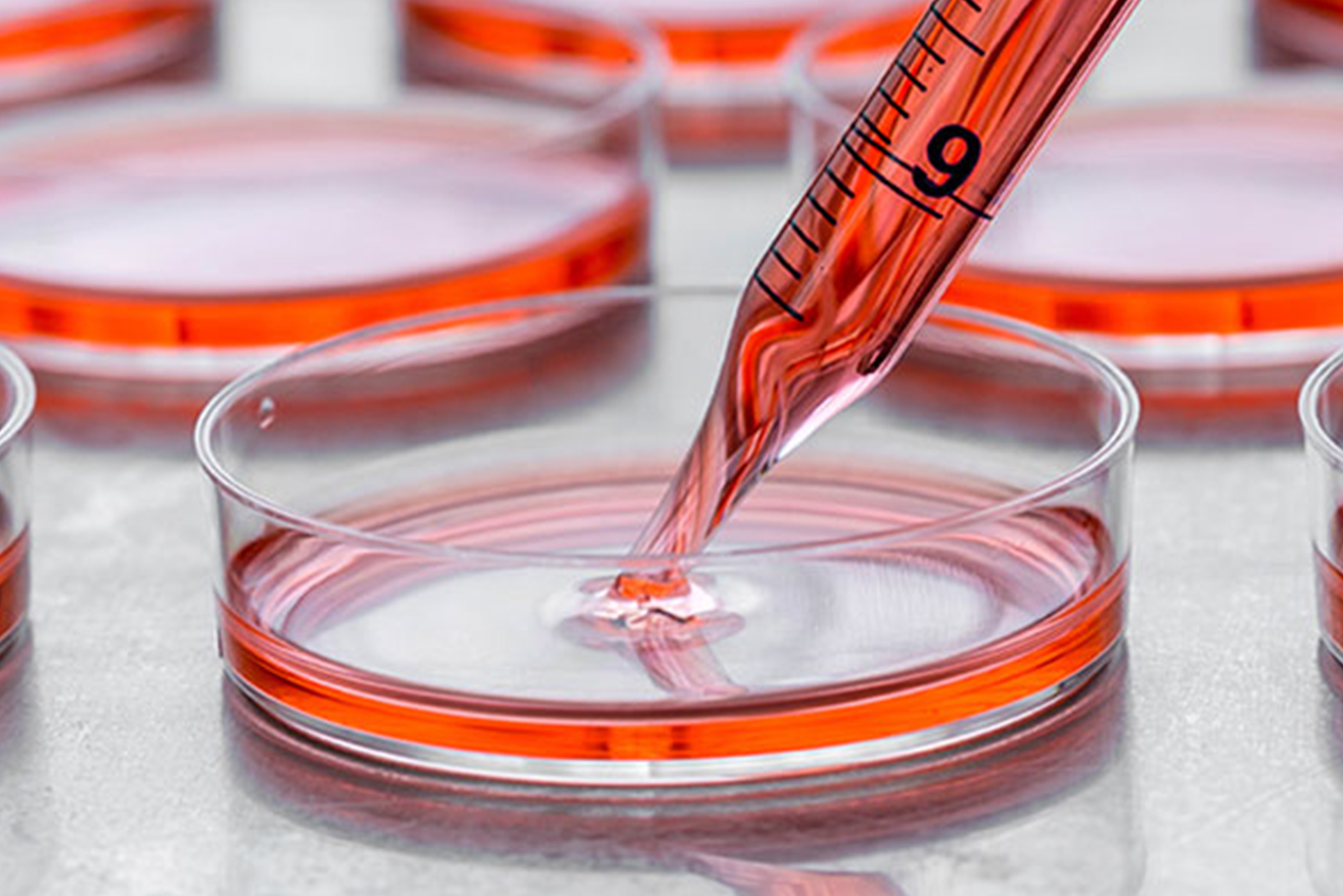
Cell culture involves the extraction of cells from either plants or animals, which are then cultivated in a controlled artificial environment for various biological research purposes. This technique is invaluable for gaining insights into physiological processes, understanding disease mechanisms, studying the effects of drugs and toxins, and facilitating drug screening and development. Additionally, cell culture plays a crucial role in vaccine research, protein therapeutics, and cancer research. This meticulous process demands diligence, skill, and experience.
Processes and Procedures in Cell Culture.
The specific processes and procedures employed in cell culture vary depending on the cell type and intended application. There are two primary methods of obtaining cells: from a cell bank or by isolating cells from tissues.
When working with cells obtained from a cell bank, the cell culture procedure typically involves the following steps:
Thawing: Cryopreserved cells are thawed using a 37°C water bath or a specialized melting apparatus. The cryoprotectant liquid is diluted with medium just before the ice nearly melts, and the cells are precipitated. The supernatant is then removed, and fresh medium preheated to 37°C is added. Finally, the cells are resuspended using a pipette.
Cell Seeding: Achieving the desired cell seeding density involves measuring cell numbers and diluting the cell suspension accordingly.
Cell Observation: After cell seeding, the cells are observed in the culture vessel under an optical microscope to assess their viability, even distribution, absence of foreign objects, and overall cell morphology. Subsequently, the cell culture vessel is placed in a humidified CO2 incubator at 37°C to initiate the culturing process.
Obtaining Cells from Donor Tissue:
When working with cells obtained directly from donor tissue, the procedure typically follows these steps:
Cell Isolation: Cells are isolated from the tissue using the explant culture or the enzymatic method. In the enzymatic process, a proteolytic enzyme solution is employed, followed by dilution and subsequent steps of cell seeding and cell observation to prepare the cell culture.
Equipment and Reagents for Cell Culture
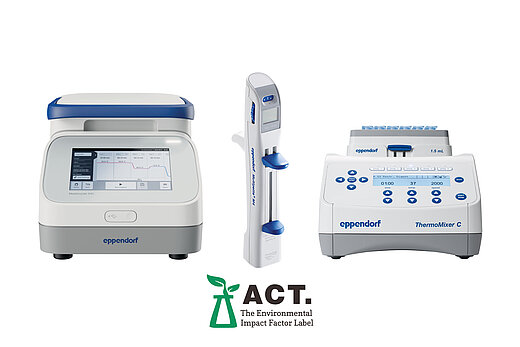
Numerous pieces of equipment and reagents are essential in cell culture, including but not limited to laminar airflow hoods, incubators, pipettes, burettes, bottle top dispensers, inverted microscopes, water baths, centrifuges, various types of cell culture vessels, consumables, and more. Reagents commonly used in cell culture include complete growth media, buffered solutions, detaching agents, cryoprotective agents, and distilled water.
Access to Older Models and Spare Parts
As technology advances, manufacturers often stop making older models, making it difficult for laboratories to find spare parts or replacements for their HPLC systems. Zreash Biotech specializes in offering Certified Pre-Owned Agilent HPLC systems, including older models that may no longer be available directly from the manufacturer. This allows laboratories to continue using and maintaining their existing systems without worrying about obsolescence.
Benefits of Utilizing Liquid Handling Instruments in Cell Culture
Liquid handling is a critical aspect of cell culture, and inaccuracies or imprecisions in this process can lead to contamination and damage to the cell culture. Liquid handling instruments are specifically designed to enhance accuracy, precision, and efficiency while minimizing the risk of contamination.
Liquid handling instruments commonly employed in cell culture include pipettes for resuspending cells, burettes for accurately dispensing reagents for cell detachment, buffering, or isolation, and bottle top dispensers for convenient reagent dispensing. These instruments significantly boost productivity and contribute to the overall safety of the process.
Conclusion
In conclusion, the role of liquid handling equipment is indispensable in cell culture, as it ensures accuracy, precision, and convenient sample preparation. Proper equipment usage minimizes contamination risks, reduces sample yield inconsistencies, and ensures uniform quantities. All the equipment and reagents necessary for cell culture can be found at Zreash Biotech, your trusted partner in advancing biological research.